
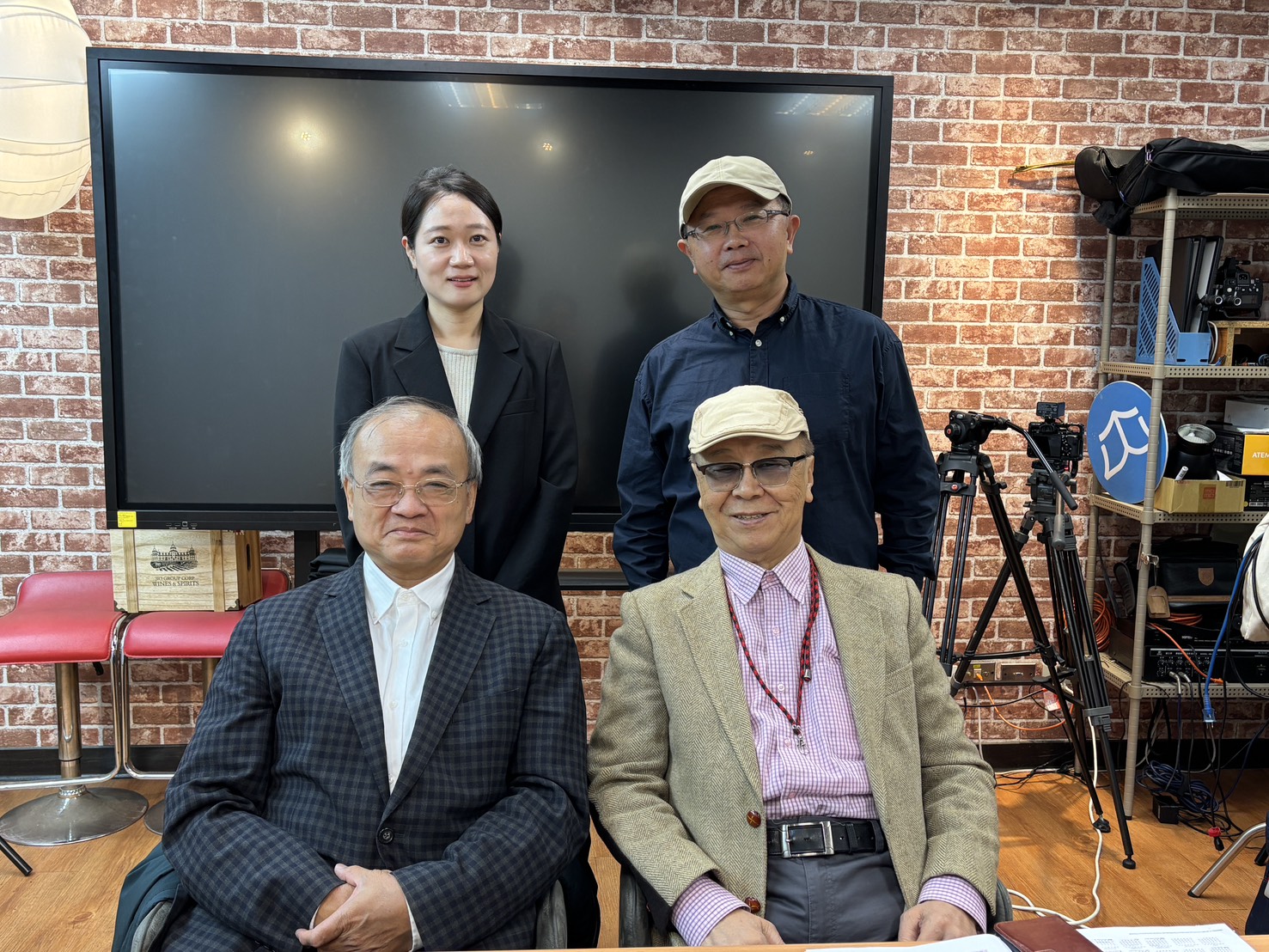
韓國《每日經濟Maeil Business Newspaper》採訪
- Taiwan is home to TSMC, the world’s leading foundry, which effectively shapes the entire national industrial structure. How do you define TSTEA’s role in sustaining Taiwan’s semiconductor leadership? In particular, how is TSTEA positioned within Taiwan’s national talent pipeline strategy?
台灣擁有世界領先的晶圓代工廠台積電,台積電對整個台灣的產業結構產生了深遠的影響。您如何看待TSTEA在維持台灣半導體產業領先地位方面所扮演的角色?特別是,TSTEA在台灣國家人才培養策略中處於怎樣的位置?
回答 1:
隨著AI快速發展,晶片需求大增,台積電今年光光在海外就預計增加9座新廠,人力十分短缺。根據Semi協會的調查,到2030年,全球半導體產業將短缺約100萬名具備專業技能的從業人員,其中包括工程師、中高層管理人才等關鍵崗位。臺灣104人力銀行的調查,半導體產業每個月有3.5萬個工作職缺,尤其需要24小時不停運轉的工廠缺工問題最嚴重。TSTEA成立的目的就是因為要協助半導體企業媒合國內外有志從事半導體的人力。
Answer 1(English Translation):
With the rapid development of AI, the demand for chips has surged. TSMC plans to add nine new overseas factories this year, creating a severe labor shortage. According to a survey by the Semiconductor Industry Association, by 2030, the global semiconductor industry will require approximately 100,000 skilled professionals, including engineers and mid-to-senior level managers. A survey by Taiwan’s 104 Job Bank indicates that the semiconductor industry faces a monthly shortage of 35,000 jobs, with the most severe shortages occurring in factories requiring 24/7 operation. TSTEA was established to assist semiconductor companies in connecting with aspiring professionals in the semiconductor industry.
- Taiwan’s semiconductor ecosystem integrates process technology, packaging, equipment, and IC design into one continuous value chain. How does TSTEA translate these industry requirements into its training curriculum, especially across high school, vocational college, and university levels?
台灣的半導體生態系統將製程技術、封裝、設備和積體電路設計整合為連續的價值鏈。TSTEA如何將這些產業需求轉化為其培訓課程,尤其是在高中、職業學院和大學階段?
回答 2:
TSTEA首先是幫助解決人力Manpower問題,因此我們會邀請有半導體經驗的退休主管擔任講師,製作基礎課程,課程包含四個方向:基礎電子學、IC製造流程、半導體通用英語以及職場的心理課程。
Answer 2(English Translation):
TSTEA’s primary goal is to help solve the manpower problem. Therefore, we will invite retired executives with semiconductor experience to serve as instructors and create basic courses. The courses include four areas: basic electronics, IC manufacturing processes, general semiconductor English, and workplace psychology.
- Korea is experiencing a significant shortage of semiconductor talent. At what point did Taiwan begin treating talent development as a national strategic issue, and what policy decisions led to the creation of an organization like TSTEA?
韓國正面臨半導體人才嚴重短缺的問題。台灣何時開始將人才培育視為國家戰略議題?又有哪些政策決策促成了TSTEA等機構的成立?
回答 3:
臺灣半導體人才培育從工研院成立起就建立了產學合作的機制,將台積電、聯電等半導體企業聚集在新竹科學園區內,與周邊大學如清華、交通大學建立建教合作。2020年疫情期間爆發,全球晶片短缺,加上中美貿易戰,以及ChatGPT橫空出世,帶動晶片巨量需求,臺灣半導體再次受到世界重視,教育部遂於2021年起在六所大學成立半導體學院。由於半導體製造除了高階研發工程師外,更需要大量的制程工程師,在經濟部的支援與協助下,一群關心臺灣半導體產業發展的業界人士遂成立TSTEA協會,整合產官學界,解決臺灣半導體製造人力荒問題。
Answer 3 (English Translation):
Since the establishment of the Industrial Technology Research Institute (ITRI), Taiwan’s semiconductor talent development has been built upon an industry–academia collaboration model. Semiconductor companies such as TSMC and UMC were brought together in the Hsinchu Science Park and partnered with nearby universities like National Tsing Hua University and National Chiao Tung University to develop cooperative education programs.
During the global chip shortage triggered by the COVID-19 pandemic in 2020—combined with the U.S.–China trade war and the surge in chip demand following the emergence of ChatGPT—Taiwan’s semiconductor industry once again drew global attention. In response, Taiwan’s Ministry of Education established Semiconductor Colleges at six universities starting in 2021.
Because semiconductor manufacturing requires not only high-level R&D engineers but also a large number of process engineers, a group of industry professionals concerned about Taiwan’s semiconductor development founded the TSTEA Association with the support of the Ministry of Economic Affairs. The association aims to integrate resources from industry, government, and academia to address the workforce shortage in Taiwan’s semiconductor manufacturing sector.
- The TSTEA Training Base is known for hands-on, equipment-centered learning. How do you ensure that these practice-oriented programs match the skill requirements of industry, and what communication mechanisms exist between TSTEA and companies such as TSMC, UMC, and ASE?
台積電培訓基地以注重實踐、以設備為中心的教學模式而聞名。您如何確保這些實踐導向專案符合業界的技能要求?台積電與台積電、聯電、日月光等公司有哪些溝通機制?
回答 4:
我們主要是與各半導體公司的人資部門溝通。根據調查,目前半導體公司最缺的人就是生產線的助理工程師,主要工作是協助工程師輪班看管設備,一旦發生異常情況,就要立即通知工程師處理。這工作雖然並沒有要求很高的學經歷,但仍需要對製造流程有一定的瞭解。因此課程著重在半導體通識課程,包括基本電子、製造流程、常用英語以及職場心裡輔導等。
Answer 4(English Translation):
We primarily communicate with the HR departments of various semiconductor companies. According to our research, the most needed personnel in semiconductor companies are production line assistant engineers. Their main job is to assist engineers in monitoring equipment on a rotating basis, and to immediately notify engineers in case of any abnormalities. While this job doesn’t require extensive academic or professional experience, a basic understanding of the manufacturing process is still necessary. Therefore, the curriculum needs to include semiconductor general knowledge courses, such as basic electronics, manufacturing processes, common English terms, and on-site guidance.
- Taiwan has introduced AI and semiconductor education at the high school level. How does TSTEA participate in developing high school curricula, teacher training programs, and student assessment systems?
台灣已在高中階段引進人工智慧和半導體教育。TSTEA如何參與高中課程發展、教師培訓計畫和學生評估系統建構?
回答 5:
其實TSTEA目前並沒有參與高中課程發展、教師培訓機會或學生評估系統建構。我們更著重在對社會面尋找計畫轉職者,所以我們會積極與臺灣各私立培訓機構合作招生並培訓,培訓後經過考試即可獲得結業證書,並協助安排進入半導體公司面試。TSTEA也與國外培訓機構合作包括馬來西亞與印尼,引進留學生來台,經過甄選進入教育部舉辦的<產學專班>,學生不僅可以到臺灣科技大學就讀,也可以在半導體公司實習並獲得獎學金。
Answer 5(English Translation):
Actually, TSTEA is not currently involved in high school curriculum development, teacher training opportunities, or the construction of student assessment systems. We focus more on finding people from the community who are planning career changes. Therefore, we actively cooperate with various private training institutions in Taiwan to recruit and train students. After passing the exam, students receive a certificate of completion, and we assist in arranging interviews with semiconductor companies. TSTEA also collaborates with overseas training institutions, including those in Malaysia and Indonesia, to bring international students to Taiwan. After selection, these students enter the Ministry of Education’s “Industry-Academia Collaboration Program,” where they can not only study at the National Taiwan University of Science and Technology but also intern at semiconductor companies and receive scholarships.
- Maeil Business Newspaper will cover Korea’s National Report to the People in March 2025, where new national strategies for AI infrastructure sovereignty and semiconductor talent development will be announced. From Taiwan’s perspective, what lessons or insights do you believe Korea can take from Taiwan’s experience?
《每日經濟新聞》將報導韓國於2025年3月發布的《國民報告》,屆時韓國將公佈人工智慧基礎設施主權和半導體人才發展的新國家戰略。從台灣的角度來看,您認為韓國可以從台灣的經驗中學到哪些教訓或啟示?
回答 6:
我覺得國家政策引導,並協助產業解決人才與資金是最重要的。特別是臺灣的中小企業大多是以OEM代工起家,不僅規模小且研發投入資金相對三星、英特爾等大廠明顯不足。幸好臺灣政府在1973年就成立工研院ITRI,扶持半導體產業,台積電就是其中之一。近年隨著AI浪潮來襲,臺灣政府立即在2017年成立AI實驗室,推動臺灣AI技術發展和產業應用。然而政策有利也有弊,例如半導體薪資高,造成精英人才被科技半導體壟斷,對其他產業如生技、醫療產業形成人才排擠效應。此外半導體生產業需要大量的電力與水資源,也引起許多民怨。
Answer 6 (English Translation):
I believe that national policies that provide direction and help industries resolve issues related to talent and funding are the most critical factors. In Taiwan, most small and medium-sized enterprises began as OEM manufacturers. They are not only small in scale but also invest far less in R&D compared to major global companies such as Samsung and Intel. Fortunately, the Taiwanese government established the Industrial Technology Research Institute (ITRI) in 1973 to support the semiconductor industry, and TSMC is one of its notable successes. In recent years, with the surge of AI, the Taiwanese government quickly set up the AI Labs in 2017 to promote the development of AI technologies and industry applications in Taiwan.
However, policies can have both benefits and drawbacks. For example, the high salaries in the semiconductor sector have led to top talent being concentrated in tech and semiconductor companies, causing a talent crowding-out effect in other industries such as biotechnology and healthcare. In addition, semiconductor manufacturing requires large amounts of electricity and water resources, which has led to considerable public dissatisfaction.
- What do you think about the potential for collaboration between TSTEA and Korean institutions (specialized high schools, Meister schools, universities, vocational training centers)? Which forms of cooperation—teacher exchange, student exchange, joint curriculum development—seem most feasible?
您認為TSTEA與韓國機構(專業高中、大師學校、大學、職業訓練中心)合作的潛力如何?哪些合作形式──教師交流、學生交流、共同課程發展──似乎最可行?
回答 7:
站在協會的立場,我們會期盼國際人才能多合作交流,即便台韓產業有競爭,但也有合作,例如台積電就與SK海力士合作HBM以及高階封裝。協會成立兩年多,除了與國內培訓機構合作外,也積極和馬來西亞、印尼的培訓機構取得合作,提供半導體培訓師資與課程,他們負責招生,我們協助引介臺灣的科技大學合作開辦產學專班。
Answer 7 (English Translation):
From the association’s perspective, we hope to see greater collaboration and exchange of international talent. Even though industries in Taiwan and South Korea compete, there are also areas of cooperation—for example, TSMC collaborates with SK Hynix on HBM and advanced packaging technologies.
In the two years since the association was founded, we have not only partnered with domestic training institutions but have also actively established collaborations with training organizations in Malaysia and Indonesia. We provide semiconductor training instructors and curricula, while they handle student recruitment. We also assist in connecting Taiwan’s universities of technology to jointly establish industry–academia cooperative programs.
- How do semiconductor companies in Taiwan utilize TSTEA programs, and what processes exist to align the competencies required by industry with the skills taught in education and training?
台灣的半導體公司如何利用 TSTEA 計畫?有哪些流程可以將行業所需的技能與教育培訓中教授的技能相匹配?
回答 8:
我們邀請來自台積電、華邦、聯電等有多年半導體經驗的業師,為新進人員量身定做課程,如基礎電子理論,晶片製造流程,半導體英語以及職場心裡輔導。未來我們也將與企業人力資源部門合作,根據需要邀請專業講師,提供培訓課程。
Answer 8 (English Translation):
We invite industry mentors with many years of semiconductor experience from companies such as TSMC, Winbond, and UMC to design customized courses for new entrants. These courses include basic electronics theory, chip manufacturing processes, semiconductor English, and workplace psychological counseling. In the future, we also plan to collaborate with corporate HR departments and invite professional instructors as needed to provide tailored training programs.
- AI is rapidly transforming semiconductor operations, from process automation to equipment diagnostics and design optimization. How is TSTEA incorporating AI-related competencies into its programs, and what expansion plans do you have for AI-driven training?
人工智慧正在迅速改變半導體產業的運營,從製程自動化到設備診斷和設計最佳化。 TSTEA是如何將人工智慧相關能力融入其課程的?你們在人工智慧驅動的培訓方面有哪些擴展計畫?
回答 9:
我們目前尚未將AI納入課程。
Answer 9 (English Translation):
We have not yet incorporated AI into our curriculum.
- As data-driven workflows increase in the semiconductor domain, how does TSTEA integrate AI literacy, data understanding, and basic programming skills into foundational education?
隨著半導體領域的數據驅動型工作流程增加,TSTEA 如何將人工智慧素養、數據理解和基本程式設計技能融入基礎教育?
回答 10:
我們目前尚未將AI納入培訓課程。
Answer 10 (English Translation):
We have not yet incorporated AI into our curriculum.
- Korea’s semiconductor talent pipeline is still largely university-centered, whereas Taiwan builds a professional track from high school. What differences has this early-track model created in Taiwan’s industrial competitiveness?
韓國的半導體人才培養體系仍主要以大學為中心,而台灣則從高中就開始建構職業人才培育體系。這種早期培養模式為台灣的產業競爭力帶來了哪些差異?
回答 11:
臺灣以製造業起家,因此很早就將技職教育作為國家政策,並鼓勵企業興辦學校,招募專業技術職業師資與人才,滿足產業需求。例如早期臺灣製造業紡織、雨傘、玩具、鞋子製造業為出口大宗,因此紡織、化工科系林立,而效果也是顯而易見,例如臺灣曾經是紡織王國、玩具王國、自行車王國,現在是則是電腦王國、半導體王國,這都是得力於背後有強大的科技教育體系,形成源源不斷的科技人才庫。值得一提的是,臺灣與韓國都面臨少子化的問題,因此開放國際人才來台,已是半導體產業政策的主要方向。
Answer 11 (English Translation):
Taiwan’s development began with manufacturing, so vocational and technical education was established early as a national policy. The government also encouraged enterprises to establish schools, recruit professional technical instructors, and cultivate talent to meet industrial needs. For example, in earlier decades, Taiwan’s major exports included textiles, umbrellas, toys, and shoes, which led to the establishment of many departments in textiles and chemical engineering. The results were evident—Taiwan was once known as the “Textile Kingdom,” “Toy Kingdom,” and “Bicycle Kingdom.” Today, it has become the “Computer Kingdom” and “Semiconductor Kingdom,” thanks to a strong technological education system that continuously supplies a steady pool of technical talent.
It is worth noting that both Taiwan and South Korea face declining birth rates. Therefore, opening the door to international talent has become a key policy direction for the semiconductor industry.
- TSTEA reportedly contributes to developing evaluation standards for semiconductor-related categories in Skills competitions (WorldSkills). What is the significance of defining semiconductor job competencies at an international standard level?
據報道,TSTEA參與制定世界技能競賽(WorldSkills)中半導體相關類別的評估標準。在國際標準層面定義半導體崗位能力有何意義?
回答 12:
我們TSTEA並沒有參與制定WorldSkills的評估標準。
Answer 12 (English Translation):
TSTEA is not involved in establishing the evaluation standards for WorldSkills.
- In addition to technical training, TSTEA also performs teacher training. How does this teacher re-training system help maintain high-quality semiconductor education across Taiwan’s institutions?
除了技術培訓外,TSTEA也進行教師培訓。這種教師再培訓體系如何幫助台灣各學院維持高品質的半導體教育?
回答 13:
我們TSTEA並沒有參與教育部老師的培訓。
Answer 13 (English Translation):
TSTEA is not involved in the Ministry of Education’s teacher training programs.
- Taiwan treats semiconductor talent development as a long-term national strategy. Over the next five years, which capability areas does TSTEA plan to strengthen, and how do you define new roles or competencies required in the AI era?
台灣將半導體人才培養視為一項長期的國家策略。未來五年,TSTEA計畫加強哪些能力領域?您如何定義人工智慧時代所需的新角色或能力?
回答 14:
我們第一階段課程以半導體通識教育為主,隨著產業成長需要,我們也計畫與人資部門討論引進進階課程,如生成式 AI、邊緣AI,第二外語、國際市場行銷、團隊管理等課程。從製造業的角度,隨著少子化以及國際化佈局趨勢,許多半導體公司已經被迫建立無人廠房,試圖透過控制中心遠端控制設備和機器人,以AI技術取代服務。此外隨著生成式AI普及,成立AI部門建立自己的模型,提升生產效率與良率,已經是產業共識。
Answer 14 (English Translation):
Our first-phase courses focus mainly on general semiconductor education. As the industry continues to grow, we plan to work with HR departments to introduce advanced courses such as generative AI, edge AI, second foreign languages, international marketing, and team management.
From the perspective of the manufacturing sector, due to declining birth rates and trends in global expansion, many semiconductor companies have already been compelled to establish unmanned factories. These facilities aim to use central control systems to remotely operate equipment and robots, leveraging AI technologies to replace certain services.
Furthermore, as generative AI becomes increasingly widespread, creating dedicated AI departments to develop in-house models in order to improve production efficiency and yield has already become a consensus within the industry.
- Finally, Taiwan and Korea are both critical players in the global semiconductor supply chain. From TSTEA’s perspective, which joint training or education initiatives between the two countries would be the most impactful?
最後,台灣和韓國都是全球半導體供應鏈的關鍵參與者。從TSTEA的角度來看,兩國之間哪些聯合培訓或教育計畫最具影響力?
回答 15:
過去台韓半導體產業之間的確是競爭大於合作,但在AI晶片領域,我們認為合作是大於競爭的。臺灣的強項是邏輯晶片如GPU,而韓國是強在記憶晶片如HBM,而這是AI晶片不可或缺的。此外韓國在環繞聲閘形場效電晶體GAAFET、扇出形封裝Fan-Out Wafer Level Packaging,智慧家電如智慧手機、電視等,以及5G通信技術都是居於全球領先地位,如果能與臺灣的半導體以及資通訊產業合作培訓課程,不僅有利台韓產業人才交流,促進產業和諧發展,創造更大的市場競爭優勢。
Answer 15 (English Translation):
In the past, competition between the semiconductor industries of Taiwan and Korea was indeed greater than cooperation. However, in the field of AI chips, we believe that collaboration outweighs competition. Taiwan’s strength lies in logic chips such as GPUs, while Korea excels in memory chips such as HBM—both of which are indispensable for AI chips.
In addition, Korea is a global leader in technologies such as Gate-All-Around Field-Effect Transistors (GAAFET), Fan-Out Wafer Level Packaging (FOWLP), smart home electronics including smartphones and televisions, as well as 5G communication technologies. If Korea can collaborate with Taiwan’s semiconductor and ICT industries on training programs, it would not only enhance talent exchange between the two countries but also promote harmonious industrial development and create stronger competitive advantages in the global market.